Přechodový objekt: Co to je a jak ovlivňuje vaši psychickou stabilitu
When you feel lost during a life change — like breaking up, changing jobs, or losing someone — you’re not just sad. You’re missing something invisible: a přechodový objekt, předmět nebo vzpomínka, která pomáhá člověku udržet pocit spojitosti a bezpečí během změn. Also known as přechodový předmět, it’s the worn-out blanket, the old playlist, the daily coffee ritual — anything that whispers: "You’re still you, even though everything else changed." This isn’t child’s play. Adults need it too, often more than kids do.
When your přechodový objekt disappears — maybe you moved and left your favorite mug behind, or your therapist retired — your inner balance can wobble. You might feel empty, anxious, or numb. That’s not weakness. It’s your brain signaling: "I lost my anchor." Studies in developmental psychology show that even adults rely on these objects to manage stress during transitions like divorce, illness, or retirement. Without them, the emotional shock hits harder. The good news? You can build new ones. A journal, a walk in the park, a specific song — these become your new anchors. And therapists often help clients identify and create them, especially when trauma or long-term depression has broken old connections.
Přechodový objekt isn’t just a physical thing. It can be a person — a friend you call every Sunday — or a routine — like lighting a candle before bed. In therapy, it’s often the first thing we notice when someone says, "I just need something to hold onto." That’s why terapeutický vztah, bezpečný a předvídatelný vztah mezi klientem a terapeutem, který slouží jako přechodový objekt vlastním právem is so powerful. Your therapist becomes the emotional anchor when nothing else feels steady. And when you’re ready, you don’t lose them — you internalize their calm. That’s how healing happens: not by fixing broken parts, but by replacing what was lost with something new, real, and yours.
Most of the posts here touch on this quietly. Whether it’s about managing PTSD, surviving depression, or navigating autism in school, the core question is always the same: "What helps you stay grounded?" The answers range from breathing techniques to online therapy, from EMDR to daily walks. They’re all tools to rebuild your internal sense of safety. You’ll find practical advice on creating your own anchors, recognizing when you’ve lost them, and how to ask for help without shame. This isn’t theory. It’s what people actually use to survive hard times — and start living again.
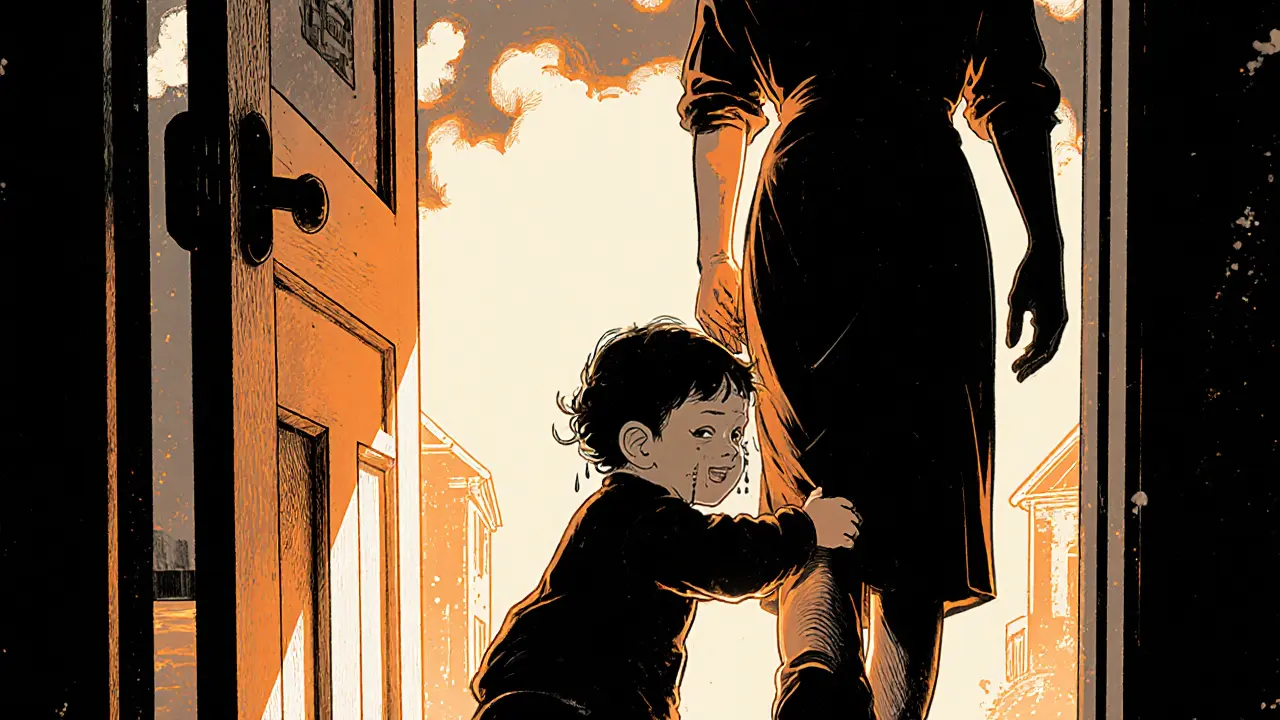
Separační úzkost u dětí: Jak psychoterapie pomáhá překonat strach z odloučení
Separační úzkost u dětí je běžný vývojový jev, ale pokud přetrvává, může přerůst v poruchu. Psychoterapie, zejména KBT a hrátková terapie, je nejúčinnější léčbou. Rodiče hrají klíčovou roli - konzistence a přechodové objekty pomáhají dítěti překonat strach z odloučení.
Pokračujte ve čteníPOSLEDNÍ PŘÍSPĚVKY
-
Jak vybrat terapeuta pro OCD, PTSD či PPP: Průvodce specializovanou péčí
Hledáte terapeuta pro OCD, PTSD nebo PPP? Zjistěte, jak poznat skutečného specialistu od „obecného“ psychologa, na jaké certifikáty se ptát a proč je u těchto poruch klíčová metoda ERP nebo EMDR.
-

Online terapie pro seniory: Jak překonat technologickou bariéru a získat pomoc
Průvodce online terapií pro seniory. Jak překonat strach z techniky, která platforma je nejlepší a jak pomoci starším lidem zvládnout digitální psychoterapii.
-

Work-life balance: Jak dosáhnout rovnováhy mezi prací a životem pro lepší duševní zdraví
Zjistěte, jak dosáhnout rovnováhy mezi prací a osobním životem, předejít syndromu vyhoření a chránit své duševní zdraví v digitální době.
-
Online terapie na venkově: Jak digitální péče bojuje s regionálními nerovnostmi
Online terapie pomáhá vyrovnat přístup k psychologické péči na venkově. Zjistěte, jak funguje, kolik stojí a jak využít příspěvky VZP pro lepší duševní zdraví v regionech.
-