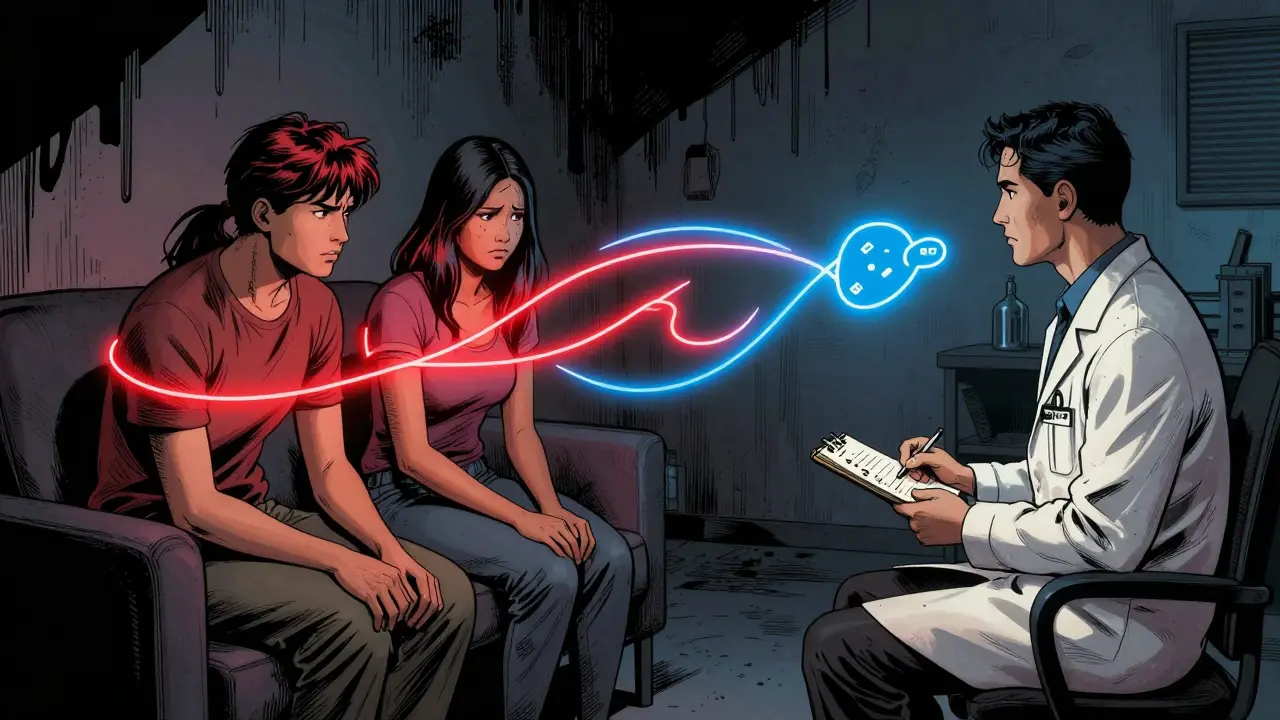
When you’re standing at the crossroads of a relationship that feels stuck, tired, or broken - and you’ve decided to try therapy - the first real question isn’t “Do we need help?” It’s “How do I find the right person to help us?” Too many couples waste months, even years, going from one therapist to another, hoping the next one will magically fix things. But the truth is, not all therapists are built the same. Párová terapie isn’t just talk. It’s a precise craft - and choosing the right one can mean the difference between healing and more pain.
Co hledat u certifikovaného párového terapeuta
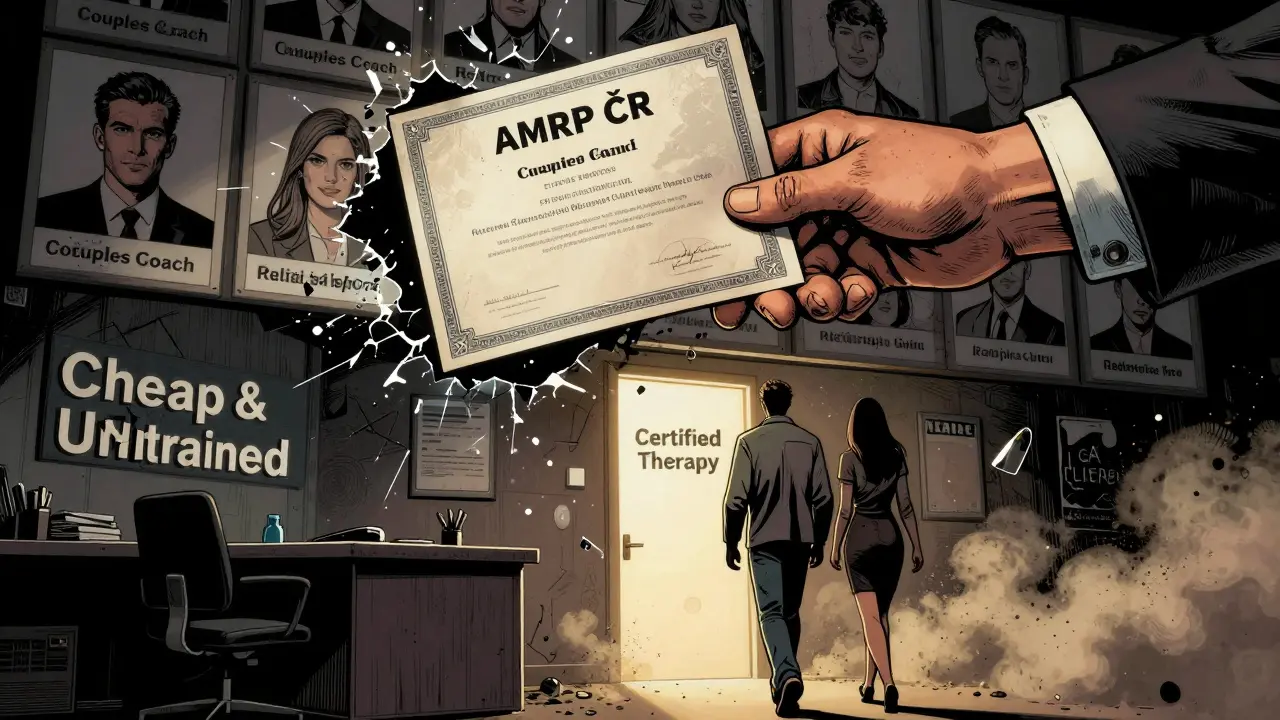
In the Czech Republic, there are about 247 certified couples therapists registered with the Asociace manželských a rodinných poradců (AMRP ČR) as of January 2023. That number is growing fast - 12% annually - but only 38% of those who call themselves “pároví terapeuti” actually hold this certification. That’s a red flag. If someone says they specialize in couples work but can’t show you a valid AMRP certificate, walk away. Certification isn’t a badge for marketing. It’s proof they’ve completed at least 300 hours of specialized training, passed supervision checks, and follow strict ethical standards.
What does that training cover? Not just listening. They must be trained in the unique dynamics of relationships: betrayal, emotional shutdown, power struggles, trauma triggers, communication breakdowns, and even non-traditional relationship structures like polyamory. In fact, demand for therapists who understand polyamorous relationships has grown by 45% since 2020. A good therapist doesn’t judge. They understand how these dynamics play out in real time - and how to help you both navigate them without taking sides.
Co je důležité ve výcviku a supervizi
Training doesn’t end with a diploma. The best couples therapists are supervised regularly - at least 10 hours per year, as required by AMRP ČR. Why? Because working with two people at once is harder than working with one. One partner might be angry, the other shut down. One might be blaming, the other apologizing. The therapist has to hold space for both without getting pulled into the drama. Supervision keeps them grounded. It’s like a coach for the coach.
There are two main paths to certification in the Czech Republic: through the master’s program in clinical psychology at Charles University, or through postgraduate courses from private institutions like Institut párové terapie or KT Centrum. Both are valid - but the key is whether they meet the AMRP standards. Since September 2022, the new certification requires 500 hours of theory and 250 hours of supervised practice - up from 300 and 150. That’s not just more hours. It’s deeper learning.
Co znamená přístup k terapii - a proč to dělá rozdíl
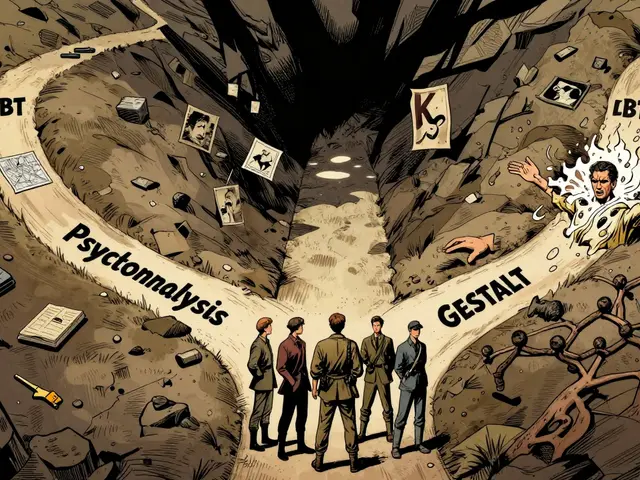
There are three main therapeutic approaches used in Czech couples therapy - and each changes how sessions feel.
- Emotionally Focused Therapy (EFT) - used by 45% of certified therapists. This approach helps you reconnect through emotions. If you’ve ever said, “We just don’t feel close anymore,” EFT targets that. It’s gentle, structured, and focuses on attachment needs.
- Acceptance and Commitment Therapy (ACT) - used by 30%. This one is for couples who are stuck in endless arguments. ACT teaches you to stop fighting your feelings and instead act based on your values. It’s practical, not emotional.
- Cognitive Behavioral Therapy (CBT) - used by 25%. This is the most structured. It looks at patterns: “When you do X, I react with Y.” It’s great for couples who need clear tools to change behavior.
Ask your potential therapist: “Which approach do you use most, and why?” A good answer isn’t just a name - it’s an explanation of how it fits your situation. If they say, “I use everything,” that’s a red flag. Specialization means depth. Generalists often lack it.
Je lepší jeden terapeut nebo dvojice?
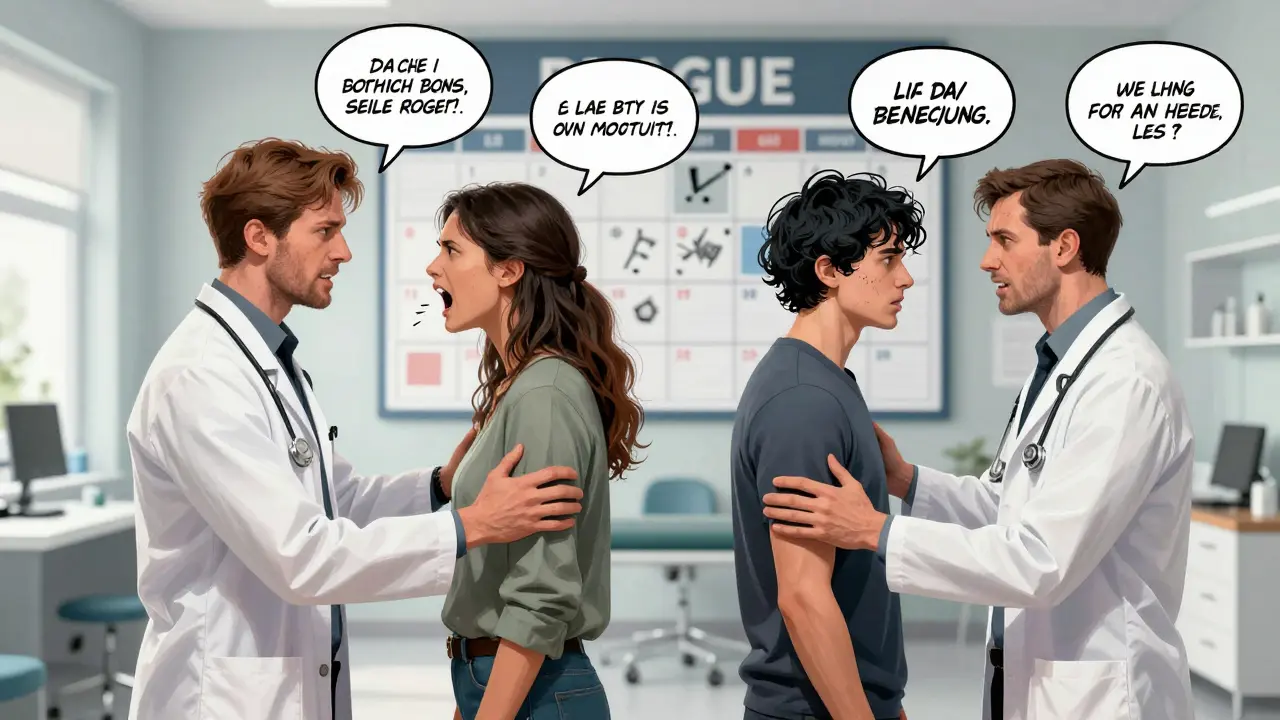
Many couples assume one therapist is enough. But here’s something most don’t know: research from the Journal of Marital and Family Therapy (2021) found that couples working with a team of two therapists - one man and one woman - reported 22% higher satisfaction. Why? Because each partner often connects better with someone of the same gender. A woman might feel safer opening up to a female therapist about her fear of abandonment. A man might feel less judged by a male therapist when he admits he feels emotionally helpless.
That’s why platforms like BeBalanced now offer dual-therapist sessions. It’s not about taking sides. It’s about giving both of you a space where you feel truly seen. If you’re unsure, ask: “Do you work alone or with a co-therapist?” If they say no - and you both feel uncomfortable - keep looking.
Co se stane na první schůzce - a co se má stát
Never skip the free 20-30 minute consultation. Eighty-nine percent of quality therapists offer it. This isn’t a sales pitch. It’s your test drive. Ask these questions:
- “How many couples with my specific issue have you worked with in the last year?” (Example: infidelity, lack of intimacy, post-baby disconnect.)
- “What does your typical session look like?”
- “How do you handle it if one of us shuts down or gets angry?”
- “Will you tell us if we’re better off separating?”
That last one is crucial. A good therapist doesn’t decide if you stay together. They help you decide - together. As Dr. Petra Dvořáková, president of AMRP ČR, says: “Therapy isn’t about fixing a relationship. It’s about helping you make a conscious choice - whether to rebuild or let go.” If a therapist says, “I think you should stay,” walk out. That’s not therapy. That’s opinion.
Ceny, doba trvání a realita
Hourly rates in the Czech Republic range from 1,500 to 2,500 Kč. Certified therapists charge about 28% more on average - but they’re worth it. Why? Because they’ve proven their competence. You’re not paying for a name. You’re paying for skill.
Most couples need 12 to 20 sessions. That’s not a promise - it’s the average based on AMRP data. If someone says, “We’ll fix this in 3 sessions,” they’re selling a fantasy. Real change takes time. Especially when trauma, shame, or years of miscommunication are involved.
Also, check if they offer hybrid sessions. Since January 2023, 27% of therapists now offer online or mixed options. That’s huge for couples outside Prague, Brno, or Ostrava. In fact, hybrid access increased availability for people outside big cities by 35%.
Nejčastější chyby při výběru
Most couples make three mistakes:
- Choosing based on location or price - A cheap therapist who isn’t specialized will waste your time.
- Going with the first person you meet - 68% of clients say their first therapist wasn’t the right fit. But 92% found the right one within three months.
- Expecting quick fixes - Therapy isn’t advice. It’s a process. You’re learning to feel differently, speak differently, and react differently.
One woman on Facebook shared: “My therapist was great with individuals, but when we talked about how we fight, she didn’t understand the dynamic between us. She just gave me tips - like I was alone.” That’s the danger of generalists.
Jak začít - krok za krokem
Here’s your simple checklist:
- Go to the AMRP ČR website and search their registry. Look for certified therapists near you.
- Filter by approach (EFT, ACT, CBT) if you know what you’re looking for.
- Call or email. Ask if they offer a free consultation.
- During the call, ask about their experience with your specific issue.
- Pay attention to how you feel. Do you feel safe? Heard? Not judged?
- Ask if they work alone or with a co-therapist.
- Make sure they give you an informed consent form before the first session - it’s the law.
If you’re in Olomouc, Brno, or Prague - you have options. If you’re elsewhere - don’t give up. Hybrid therapy means you can still get quality help without driving hours.
Co se stane, když to nefunguje?
It’s okay if the first therapist isn’t the right one. It happens. But don’t give up. The goal isn’t to find “a therapist.” It’s to find the one who helps you - as a couple - reconnect, understand each other, or part with dignity.
Harvard’s 86-year-long study on adult development found one thing above all: good relationships are the foundation of a good life. That’s why this matters. Not because you’re “broken.” But because you care. And that’s worth fighting for - the right way.
Je nutné mít certifikaci AMRP ČR, aby byl terapeut kvalifikovaný?
Ano. Certifikace AMRP ČR je jediným spolehlivým způsobem, jak ověřit, že terapeut absolvoval minimálně 300 hodin specializovaného výcviku, pravidelně podstupuje supervizi a dodržuje etické normy. Bez certifikace může být terapeut kvalifikovaný, ale není to možné ověřit. V ČR pouze 38% terapeutů, kteří se označují jako pároví, má tuto certifikaci - proto je důležité ji požadovat.
Může párová terapie pomoci i při rozchodu?
Ano. Terapie není jen o zachránění vztahu. Je to prostor, kde můžete společně zpracovat bolest, vyjádřit své potřeby a ukončit vztah důstojně. Mnoho párů končí terapií s větším respektem a menším bolestí - než kdyby se prostě rozešly. Terapeut vám nepomůže zůstat spolu - pomůže vám rozhodnout, co je pro vás správné.
Proč je důležité, aby terapeut pracoval s emocemi v reálném čase?
V párové terapii se největší problémy neobjevují v rozhovorech, ale v chvíli, kdy partner řekne něco bolestivého a druhý se zatváří nebo ztichne. Kvalifikovaný terapeut vidí tyto okamžiky, ukazuje je vám a pomáhá vám je přežít společně. To je jiné než poslouchat příběhy. To je vytvářet novou realitu.
Je lepší mít terapeuta stejného pohlaví jako já?
Není to nutné, ale často pomáhá. Mnoho párů se cítí bezpečněji, když každý z nich může mluvit s terapeutem stejného pohlaví. To je důvod, proč některé kanceláře nabízejí dvojici terapeutů - muže a ženu. Výzkum ukazuje, že takové uspořádání zvyšuje spokojenost o 22%.
Co dělat, když můj partner nechce jít na terapii?
Nechte ho na pokoji. Nejde o to, abyste ho přesvědčovali. Jděte sami na konzultaci. Mnoho terapeutů nabízí jednotlivé schůzky, kde můžete získat nástroje, jak změnit vzorce vztahu - i když partner nechce přijít. Často se stane, že když jeden partner začne mluvit jinak, druhý se přidá.






Napsat komentář